
Characters
Profiles of every The Girl in the Window character: curious Dan, the mysterious Mia, the vampire portrait, the shadow outside and Detective Ren Larsen.
Introduction
For a single-house escape game, the cast is surprisingly memorable, and every figure in it serves the mystery. Dan, the playable protagonist, brings the curiosity that gets the door locked behind him. Mia, the girl in white, appears and vanishes across the rooms — part guide, part warning. The vampire portrait watches from the wall with screws that hide a crucial item, the shadow crosses the window when least expected, and the photographs prove a man in a blue coat observed the house for years. Beyond the house, Detective Ren Larsen waits in The Ghost Case to reopen the case these characters embody. Each profile below covers who they are, what they do inside the house, and how they connect outward into the Hidden Town universe.
Cast Reference Table
| Figure | Role | Where Encountered | Series Connection |
|---|---|---|---|
| Dan | Playable protagonist | Everywhere — you control him | Introduced in this episode |
| Mia | The girl in white | Window, rooms, mirrors | Introduced here; core to Ghost Case |
| Vampire Portrait | Red herring turned key | Wall of the final area | Signature Dark Dome puzzle |
| Ren Larsen | Detective (offscreen) | The Ghost Case only | Reopens this house's murder |
Who's Who in the House
Dan
The curious young man who walked in and got locked in
Mia
The girl in white at the window — presence, guide, mystery
The Vampire Portrait
A fanged red herring whose screws hide a key
Ren Larsen
The detective who reopens the case — in the next episode you play
Core Mechanics
The cast operates on a strict economy of presence. Dan is constant — the camera, the hands and the voice. Mia is intermittent: her appearances are scripted story beats, never mechanical obstacles, which lets the game use her for pacing and dread without ever endangering the player. The house's supporting presences — moving objects, the shadow at the window, the blue-coated man in the photographs — are evidence more than characters; they testify about the past rather than act in the present. And the offscreen cast, chiefly Ren Larsen and the household from before the sealing, exists entirely through documents: photographs, notes, tapes and diary pages. The result is a game where the character list is short but every figure is load-bearing, each one either driving the escape or deepening the case.
Advantages
Knowing the cast sharpens both halves of the game. Mechanically, understanding that none of the figures are threats lets you engage every encounter calmly — you can watch Mia's appearances and study the portrait without tension degrading your puzzle reading. Narratively, the profiles convert scattered impressions into a structure: once you know which figures testify about the past and which act in the present, the evidence starts assembling itself into the case-file shape the twist payoff requires. The section also pays forward into the series — Dan and Mia recur across the Hidden Town universe, and players who know their introduction here get measurably more from The Ghost Case's investigation of the same murders. Character literacy, in this series, is story literacy.
Challenges
Character analysis in a spoiler-bearing mystery is walking a cliff edge. Identities and roles are intertwined with the twist — a fully honest profile of Mia is impossible without the ending, so every page here is tiered and the deepest material lives behind the endings gate. The cast is also small by design: four figures and a handful of presences means over-reading is a real risk, and community discussion frequently inflates minor environmental details into character lore that the games never confirm. Finally, the offscreen characters grow through the series, so any profile written today may deepen as Everlasting Curse and later entries release. Treat the profiles as current-best readings, not final verdicts.
Frequently Asked Questions
Who do I play as?+
Is the girl in the window dangerous?+
Who is the vampire in the portrait?+
Do any characters from other Dark Dome games appear here?+
Quick Tips
Watch Mia's appearances fully instead of clicking past them. Each one is placed to teach you something about the house or the case.The sightings form a sequence — window, rooms, mirrors — and players who register the pattern find the finale's recontextualization far more legible than players who treated her as background noise.
Do not fear any figure in the house. Nothing in the game can hurt or fail you, so examine the portrait and the shadows calmly.The absence of fail states is itself a design statement — the horror is in what the evidence means, not in what can kill you, and relaxed players read the rooms better.
Read the documents as character introductions. The photographs, notes and diary pages are how the past household speaks, since none of its members ever appear in person. The blue-coated man and the sealed household exist only through what they left behind — their documents are their dialogue, and skimming them leaves the cast feeling far thinner than it actually is.
Note Dan and Mia's details for The Ghost Case. The sequel's investigation rewards memory of this episode's pair more than any other series connection. The handoff is the universe's most direct link, and even a rough recollection of what Dan found in the house makes Ren's case files click into place immediately when you start the fourth game.
Featured
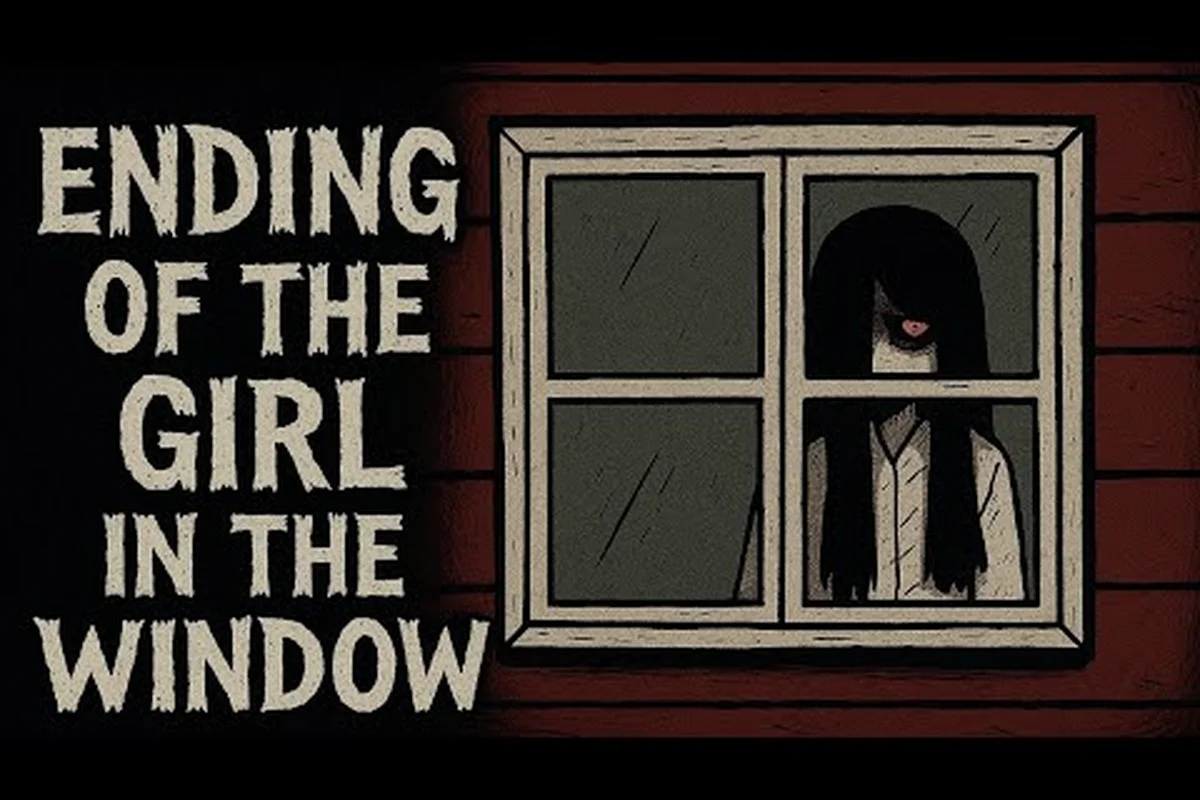
The Girl in the Window Character Guide: Full Cast List
A The Girl in the Window character guide to the cast, their connections across Dark Dome games, and the evidence linking each to the unsolved case.
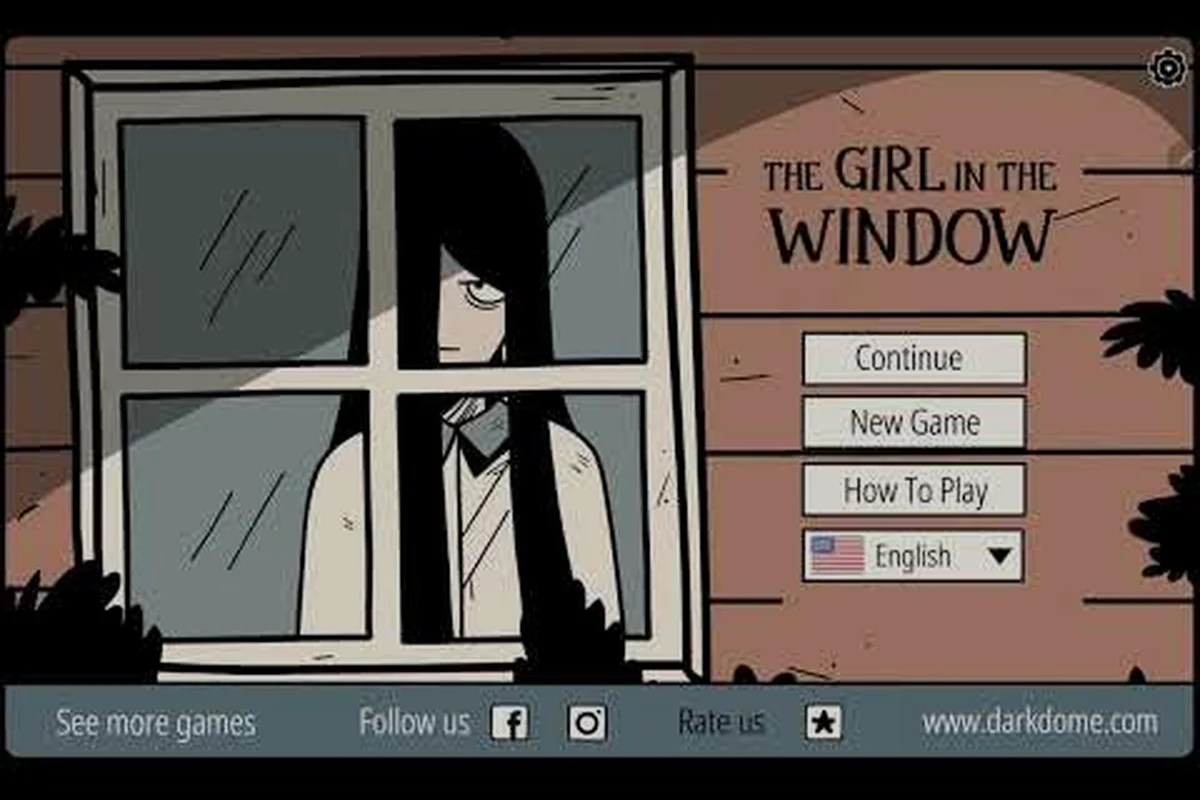
The Girl in the Window Wiki: Hidden Town Characters Cast Guide
Every The Girl in the Window Hidden Town characters roster entry, from Dan and Mia to the vampire portrait and Detective Ren Larsen of The Ghost Case.
The Girl in the Window Mia Backstory and Dan's Fate
The Girl in the Window Mia backstory plus Dan's role before the door locked, assembled from photos, diary pages, and The Ghost Case evidence.
All Articles
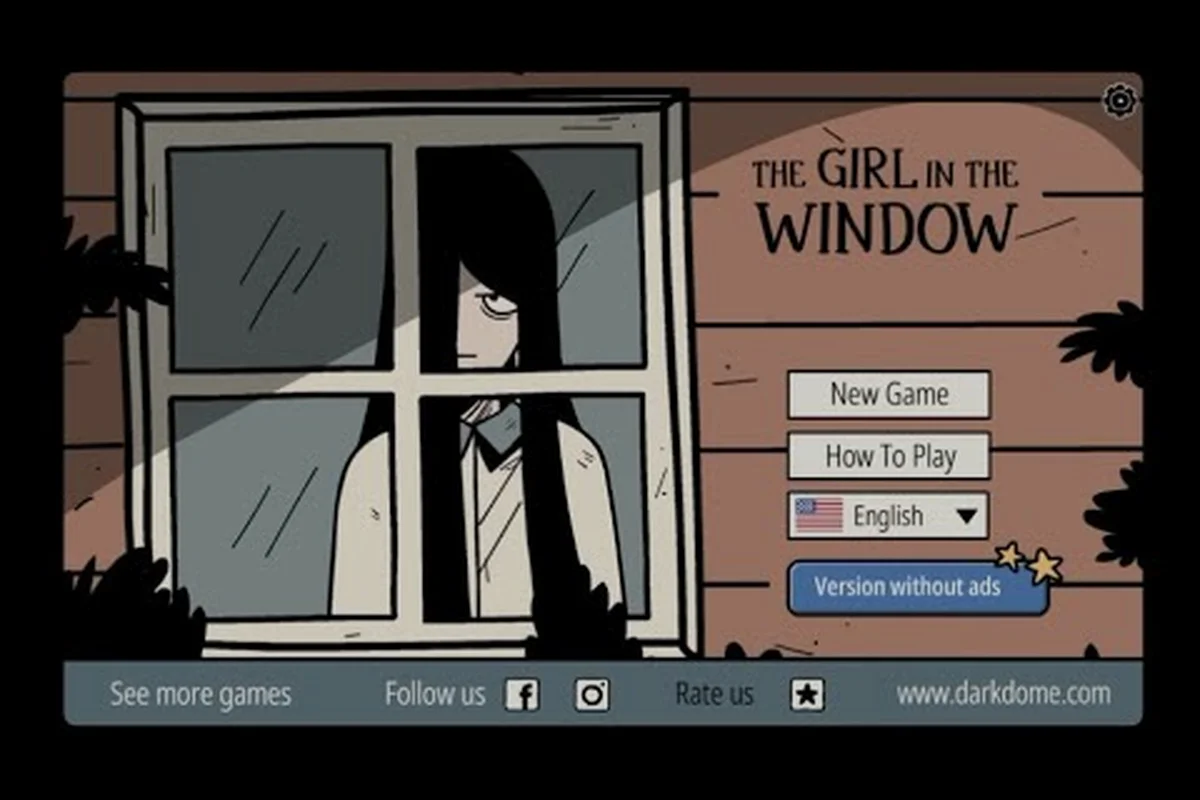
The Girl in the Window Mia Character: The Girl in White
The Girl in the Window Mia character profile covers her white-dress appearances, her role in the escape, and why she guides and unsettles Dan.
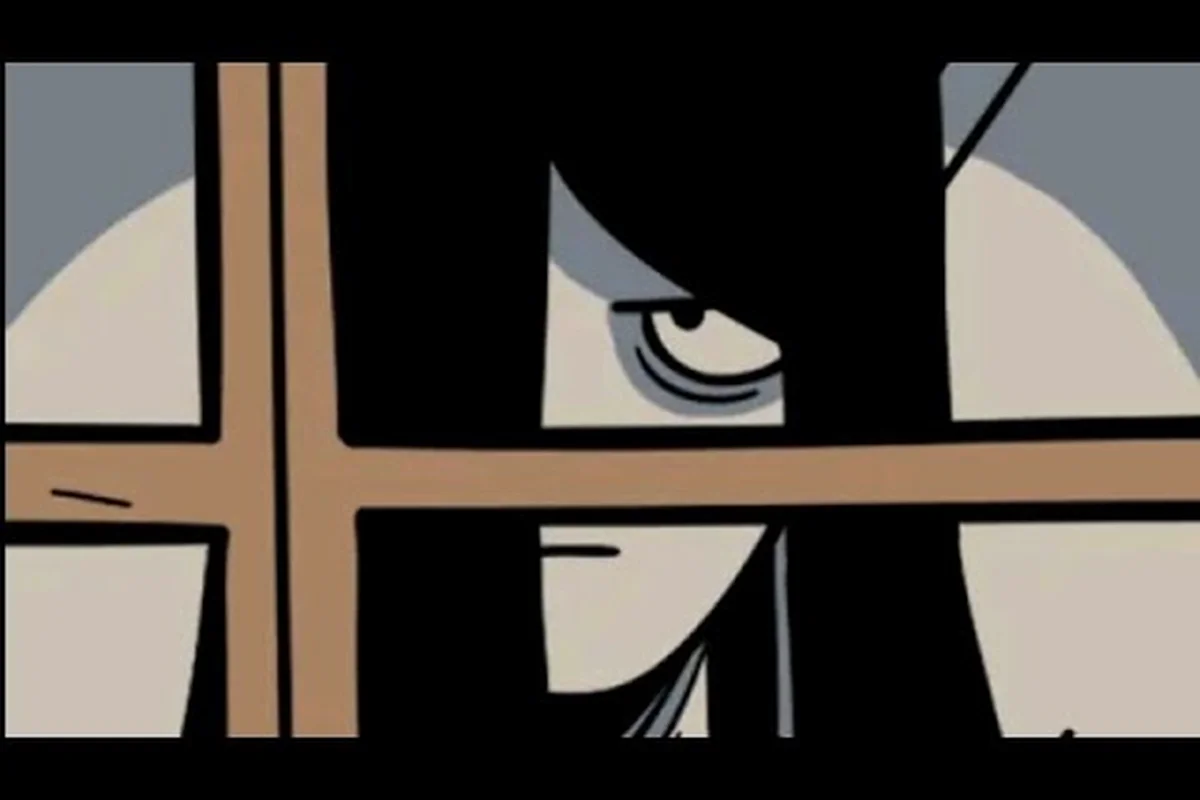
The Girl in the Window Saga: Dan in Other Dark Dome Games Cameo
Tracking the girl in the window Dan in other dark dome games trail? His case resurfaces in The Ghost Case, with more cameos across the Hidden Town arc.
The Girl in the Window Blue Coat Man: Watcher in Photos
The Girl in the Window blue coat man explained: the photographs timestamping his surveillance and what his presence means for the murder case.
The Girl in the Window Mia: Vampire, Villain or Victim
Uncover who the girl in the window Mia really is, from vampire clues to the Dan connection that decides the story's true murderer.