
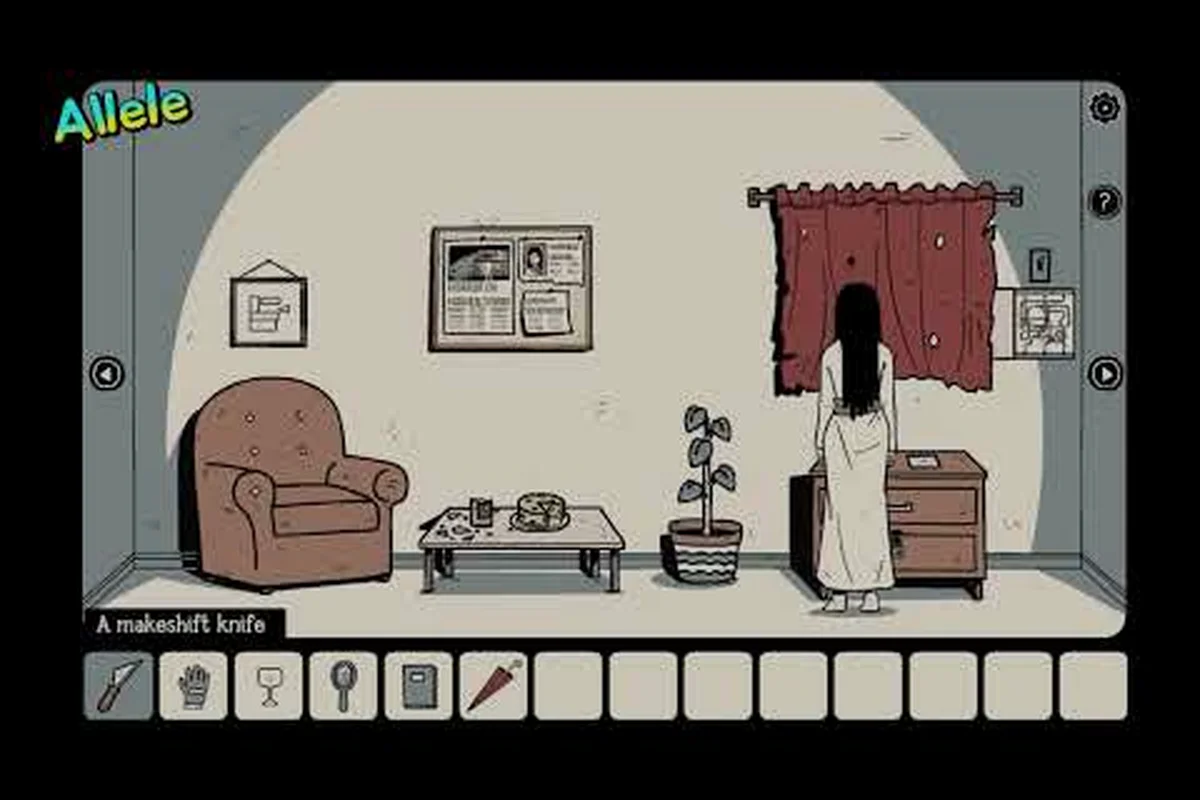
Stuck staring at the same locked drawer for ten minutes? This the girl in the window complete guide maps every room, code, and item combination in the exact order you encounter them, so the mystery of Dan and Mia unravels without a single clue left on the table. Built from community-tested routes and the official store description, it doubles as a reference for first-timers and a checklist for anyone hunting the secret scene.
First Moves Inside the Locked House
Before you touch the first cabinet, it helps to know the shape of the game. The Girl in the Window is a first-person point-and-click escape room built by Dark Dome, and it leans heavily on environmental storytelling rather than jump scares. You wake up in a strange house, the windows are sealed, and every object you pick up can be rotated, combined, or fed into a lock nearby. According to the official Steam listing, the experience is sold as a "detective story" with an unexpected plot twist, which is a useful frame: treat every drawer as a witness, not a vending machine.
Mouse, Menus, and the Screen Layout
The interface is stripped down on purpose. Tapping or clicking the screen moves your cursor, and any interactable surface lights up the moment you hover it. There is no traditional inventory grid; instead, the items you collect appear in a horizontal bar at the bottom, and combining two of them simply means dragging one onto the other. The Hint System button (a small question-mark icon) is the single most important UI element in the game because it never lies, but it only gives a vague nudge on the lowest setting, a directional hint on medium, and a full spoiler on high. Most beginners want the medium tier active, then drop to low once they have momentum.
For a deeper breakdown of touch and mouse handling, the controls and save guide walks through the exact tap zones, the difference between single-tap and hold-to-inspect inputs, and how the autosave triggers fire after every solved interaction. The autosave writes a checkpoint whenever you complete a Hint System segment, exit a flashback vignette, or transition between the two main rooms, so quicksaves are only necessary before risky multi-step sequences like the mirror-key and window-vent combination puzzles.
First-Room Inventory Checklist
The opening bedroom is a tutorial disguised as décor, and treating it as a learnable room rather than a static one is the single biggest shift a first-time player can make. Within the first five minutes of the girl in the window getting started, every interactive prop — the pillow, lampshade, nightstand, dresser, wardrobe shelf, and the locked drawer beside the bed — hides one pickup, and you should be able to grab and mentally pair each one with its downstream use (e.g. the brass key under the pillow → drawer; the wooden cog in the nightstand → toy box) without any hint prompts, because the game intentionally never flashes an on-screen tutorial here.
| Object | Location | Used On |
|---|---|---|
| Brass Key | Under the pillow | Locked drawer beside the bed |
| Note Fragment | Tucked into the lampshade | Story wall (cosmetic) |
| Wooden Cog | Inside the nightstand | Toy box in the corner |
| Pocket Mirror | On the dresser | Sunlight beam from the window |
| Candle Stub | Bottom shelf of the wardrobe | Candleholder on the desk |
Picking the right object first matters less than remembering where you left it; the game never respawns items, but it also does not highlight the spot you took them from. A quick mental snapshot per room saves you from a 20-minute backtrack.
Room-by-Room Walkthrough Route
Treat the house as a hub with five key rooms, each one unlocking the next through a specific puzzle gate. The route below is the most efficient path reported by community walkthroughs on the Dark Dome subreddit and mirrored on GameFAQs. Skip a step and you will often find yourself circling back with no new items to try.
Bedroom → Hallway
The first puzzle chain is the Light Beam Redirect, where the pocket mirror must be angled toward the candle stub on the desk. The lit candle then reveals a hidden number on the wallpaper, which feeds the Wall Safe beside the wardrobe. Inside is the Hallway Key, the single most important item in the opening act, because it is the only thing that opens the rest of the house.
If the safe combination eludes you, count the flowers on the wallpaper border instead of guessing; the four-digit code is literally painted on the wall above the bed in a different color ink. The official hint system will say "look up," which is annoyingly literal until you realize the ceiling border contains the same number pattern.
Hallway → Study
Once in the hallway, the priority is the Music Box Puzzle sitting on the console table. Three metal birds must be placed in the correct order, and the order is encoded as a song played in the study on a wind-up phonograph. Listen twice, because the order is left-to-right, not the order the birds spawn on the table. Solving the music box drops the Study Key and triggers a short cutscene that most players mistake for a jumpscare but is actually a flashback to Mia's memory.
If you prefer visual learners, the full walkthrough sibling article pairs the music box sequence with annotated screenshots, including the exact phonograph turn order (1-3-2), the console table's bird spawn coordinates, and the precise frame where the Study Key drops — useful since the post-cutscene respawn point can obscure the key's landing spot behind the music box lid.
Study → Kitchen
The study hands you two upgrades at once: the Magnifying Lens and the Kitchen Tile Crowbar. The lens is mandatory for reading the small diary entries scattered around the house, while the crowbar pries up the loose floorboard in the kitchen that hides the Sewing Kit. The kit is the gateway to the second half of the game because the thread inside it is used on the locked dollhouse in the attic, which most players will not find until the third hour.
A quick caution: do not smash the crowbar into every plank you see. Only one floorboard in the entire house is actually loose, and prying the wrong one makes a loud noise that the in-game character reacts to with a startled line of dialogue, but nothing else happens. The community calls this "the fake floor" and it has tripped up enough first-timers that it is worth flagging.
Puzzle Solutions and Item Combos
The Girl in the Window runs on about 35 distinct items, but only a handful of them are the real workhorses. Memorize the chains below and you can clear roughly 80% of the puzzles without ever tapping the hint button.
Core Combination Chains
| Combo # | Item A | + | Item B | = | Result | Where It Is Used |
|---|---|---|---|---|---|---|
| 1 | Pocket Mirror | + | Candle Stub | = | Lit Reflector | Wall safe code reveal |
| 2 | Wooden Cog | + | Toy Box Lid | = | Spinning Key | Bedroom music box (mini) |
| 3 | Thread Spool | + | Needle | = | Sewing Needle | Dollhouse door |
| 4 | Empty Bottle | + | Water Tap | = | Water Bottle | Kitchen stove puzzle |
| 5 | Magnifying Lens | + | Diary Page | = | Readable Clue | Study wall map |
| 6 | Brass Key | + | Iron Gate | = | Garden Access | Backyard gate |
| 7 | Garden Shears | + | Overgrown Vine | = | Hidden Window | Attic vent |
| 8 | Phonograph Record | + | Wind-up Crank | = | Music Track | Hallway music box |
Chains 6 through 8 do not unlock until the late game, but they are the trio that finally opens the attic vent and reveals Mia's final memory. The trick is that the shears are hidden in plain sight in the kitchen drawer labeled "tools," while the phonograph record is actually a vinyl bookmark in the study's largest book. Both objects blend into the background art, which is why the community call this stretch of the game "the quiet middle."
Code Table for Locks and Safes
Codes in the game are never randomized, so you can write them down and trust the table below: the same diary page you consult for the hallway clock (7:13) will always reveal those four digits, and the phonograph melody in the study always plays the left-right-center-right sequence for the music box. Because the puzzle inputs are baked into the static environment rather than procedurally generated, you can safely rely on these values across multiple playthroughs without worrying about RNG changes — just remember that the final door's 6-2-4-3-1 sequence only becomes accessible after you collect the four preceding lock solutions, so work through the wall safe, clock, music box, stove, dollhouse, and garden gate in roughly that order.
| Lock | Code / Input | Clue Source |
|---|---|---|
| Bedroom wall safe | 4-digit flower count | Wallpaper border above bed |
| Hallway clock | 7:13 | Diary page (entry 3) |
| Music box | Left, Right, Center, Right | Phonograph melody in study |
| Kitchen stove | 1-2-3-2 | Recipe card on fridge |
| Attic dollhouse | Eye, Heart, Hand, Eye | Embroidery pattern on apron |
| Garden gate | 1845 | Tombstone in backyard |
| Final door | 6-2-4-3-1 | Piano keys in the secret room |
If a code refuses to accept, double-check the hint level: on the highest hint setting, the game sometimes pre-fills the first digit of certain 4-digit combos like the 1845 garden gate or the 4-digit flower count in the bedroom wall safe, which can confuse players into typing only the remaining numbers in the wrong slots. To fix this, clear the auto-filled entry manually with the backspace key, then key in every digit yourself from left to right. This phantom-digit glitch is documented on several wiki troubleshooting pages and has caught even experienced players working through the lock sequence in reverse order, so verifying your full input before confirming saves a frustrating reset.
How to Escape the Girl in the Window
Escape is not a single door unlock; it is a layered reveal that takes most players between 90 minutes and three hours depending on hint usage. The first real "exit" is the back garden gate, which only opens once you have the brass key, the garden shears, and the 1845 tombstone code in that exact order. Behind the gate is a short cinematic and a transition to the Hidden Town segment if you own the premium version.
The Three Acts at a Glance
| Act | Setting | Main Objective | Time Estimate |
|---|---|---|---|
| Act 1: The House | Five rooms inside the house | Collect 12 core items, open the wall safe | 30–45 min |
| Act 2: The Garden | Backyard and shed | Solve the sundial, repair the broken shovel | 20–30 min |
| Act 3: The Attic | Dollhouse and final door | Complete the embroidery, play the piano sequence | 30–45 min |
| Secret Scene (Premium) | Hidden Town | Five extra puzzles, true ending unlock | 20–30 min |
The premium version mentioned in the Google Play store page adds a parallel Hidden Town storyline with extra riddles, but the base ending is still reachable without paying. If you only care about the story, the free route is enough; if you want the full emotional payoff, the premium add-on is worth the small fee.
Avoiding the Most Common Soft-Locks
The game itself never hard-soft-locks, but three of its inventory puzzles are designed to look like dead ends: the kitchen's loose floorboard (only one plank actually pivots), the music box's bird sequence (notes, not the spawn order of the carved figures), and the dollhouse sewing kit (thread must bind the door hinge, not the doll body). Missing the intended interaction on any of these just eats the item and forces a save reload, since none of them can be picked up again in the same playthrough.
-
The Fake Floor in the kitchen — only one plank is loose, so prying others just makes noise.
-
The Wrong Bird Order on the music box — the order is the song's note order, not the bird spawn order.
-
The Sewing Kit Thread — you must use the thread on the dollhouse door, not the dollhouse body, or the kit disappears and you have to reload an older save.
For a complete roadmap that also covers the multiple ending variations, the endings explained article breaks down which choices feed into the true ending and which lead to the ambiguous fade-to-black.
Beginner Strategy and Common Pitfalls
If this is your first Dark Dome game, the rules of thumb below will save you a couple of hours of wandering. They were compiled from community data shared by first-time players and from the official "complete hint system" feature called out on the Google Play description.
Save-Happy Mindset
There is no traditional save slot, but the game autosaves every time you solve a puzzle. That means reloading "an older save" is actually impossible; the closest you can get is replaying the last two or three rooms. So when you are about to try a combination you are not sure about, screenshot the screen first. If the combo fails, the screenshot at least gives you the exact item names and positions to retype instead of guessing from memory.
How the Inventory Handles Revisited Items
A common rookie mistake is to treat the game like a hidden-object title where every drawer has a fresh item. The Girl in the Window is closer to a logic puzzle: most rooms have one to three real items, and the rest of the décor is filler designed to make you feel watched. If a room has been thoroughly clicked and nothing lit up, move on; the answer is almost never in that room, it is the combination of an item from this room and a lock from a room you have not visited yet.
When to Use the Hint System
The built-in hint system is generous, but it is also expensive in terms of time. Each hint takes around 20 seconds to load, and on the medium setting it often points you to a room rather than the specific object. Use the table below to decide when to spend a hint versus when to keep looking:
| Situation | Recommended Hint Level | Reason |
|---|---|---|
| Stuck for 5+ minutes on a code | Medium | The code source is in another room |
| Stuck on an item combo | High | You probably have the right items, wrong order |
| Stuck on a music or sound puzzle | Low | The hint will say "listen again," which is what you are already doing |
| Completely lost after 20+ minutes | High | The hint system will literally tell you the next room to visit |
Common First-Time Questions
If you have never played an escape room game before, the beginner's guide expands on the logic chain mental model that Dark Dome relies on, plus a glossary of the verbs the puzzle text uses ("rotate," "inspect," "combine"). Once you internalize those verbs, the rest of the game reads itself.
Frequently Asked Questions
How long does it take to finish the girl in the window with this complete guide?
Most players finish the base story in 90 minutes to two hours, while the premium Hidden Town add-on adds another 20 to 30 minutes on top. Speedrunners have cleared the main route in just under 40 minutes by skipping the hint system and memorizing the music box bird order in advance.
Do I need to play Dark Dome's other games to understand the girl in the window story?
No. The game is fully self-contained, although long-time Dark Dome fans will spot visual cameos in the Hidden Town segment. The plot stands on its own, so this the girl in the window complete guide works for anyone jumping in for the first time.
What happens if I miss an item — is the game unwinnable?
The game is never unwinnable, but missing certain items locks you out of the secret scene and the true ending. The most commonly missed items are the Garden Shears in the kitchen drawer and the Phonograph Record hidden in the study bookshelf, both of which look like background décor until you interact with them directly.
Can I replay the girl in the window to get a different ending?
Yes, and it is encouraged. Choices near the final door determine which of the three endings you see, and the premium content has a fourth hidden ending that only triggers if you solved every puzzle without a single hint prompt. Resetting is as simple as tapping the chapter select on the main menu once you have cleared the game once.
Is the hint system worth using, or does it spoil the fun?
For a first playthrough, keep the hint system on medium and only tap it after about five minutes of being stuck. Lower the level as you get more confident; many community players report that the second half of the game feels dramatically more rewarding once you stop leaning on hints altogether.